
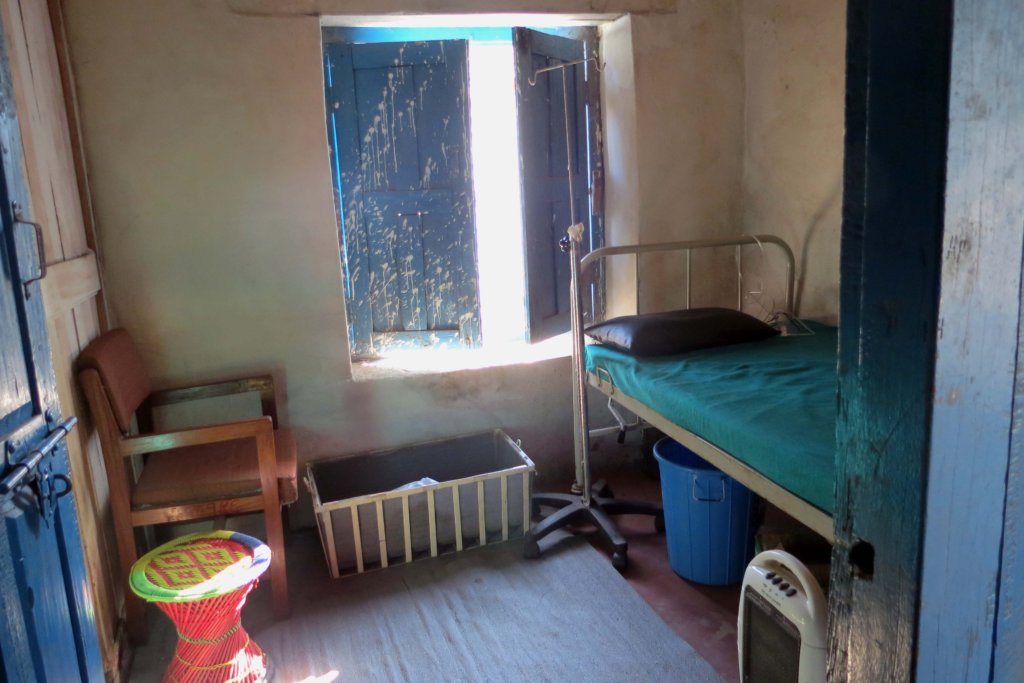
Since the government didn’t set aside money to keep the nurses on staff, the more than 200 maternity facilities operating across the nation are without competent delivery attendants.According to representatives of the Ministry of Health and Population, a shortage of qualified nurses in birthing facilities has an impact on both the quality of the services provided and the danger of maternal fatalities.
Budget constraints prevented us from hiring more than 200 qualified birth attendants this year, according to Nisha Joshi, a representative of the Family Welfare Division, who spoke to the Post. The annual budget was cut by more than 35% this year, which had an impact on a number of healthcare activities.With the government announcing free institutional delivery service in 2009 at all state-run health facilities, more than 2,800 birthing centres have opened across the country. The institutional delivery rate, which was around 18 percent then, has increased to around 80 percent at present.
Travel allowances offered by the government and allowances for antenatal care visits are among the reasons credited for the increase in the institutional delivery rate. The health ministry imparted skilled birth attendant (SBA) training to staff nurses and hired them at birthing centres to prevent possible deaths during or after child delivery.Maternal health experts say terminating the contracts of nurses trained as birth attendants on the pretext of budget cuts cannot be excused. They say that maternal deaths, which in the past were caused by even minor causes, start to repeat.
“All the achievements we made over the years from huge investments and efforts in maternal health sectors will be lost if concerned authorities don’t rethink their decision of not retaining SBA-trained nurses,” said Dr Kiran Regmi, a former health secretary.“The authorities concerned should instead think of increasing additional services to prevent maternal deaths.”Nepal had reduced the maternal mortality rate from 539 per 100,000 births in 1996 to 239 per 100,000 births in 2016—for which the country even received a Millennium Development Goals award.
A report on maternal mortality carried out by the National Statistics Office in 2021 showed that in every 100,000 live births, 151 women still died from maternity-related complications.Of the total maternal deaths, 24 percent occur during or after childbirth and 19 percent in the postnatal period.Experts say authorities should introduce programmes to address excessive bleeding after childbirth, also known as postpartum haemorrhage, and pre-eclampsia (pregnancy-related high blood pressure disorders), which have been identified as chief causes of maternal deaths in the country.
Source: Here
Image source: Here
