
The streets of Caracas are decorated with Christmas lights. The sound of traditional Venezuelan Christmas music can be heard everywhere. Daily routines seem undisturbed: children attending school, adults going to work, vendors opening their businesses.
Beneath this facade lurks anxiety, fear, and frustration, with some even taking preventative measures against a possible attack amid the tension between the United States and Venezuela.
A woman who asked to be identified as Victoria for fear of reprisals has lived alone in western Caracas since her two children left the country and currently works in commerce. She describes her routine in recent months as marked by uncertainty, with each day bringing unsettling developments that rob her of peace of mind.
Although she hasn’t stopped doing her daily tasks, Victoria confesses that this state of alert, with the constant question of what might happen next, has disrupted her sleep.
Sometimes, she says, she gets up in the middle of the night and starts checking the news on her phone, even though she acknowledges that doing so makes it harder to fall back to sleep.
“There’s a confrontation in which we, ordinary citizens, have nothing to do,” she says, referring to the potential conflict between her country and the Trump administration. “We try to carry on with our daily lives, we try to carry on with our daily activities, but that’s always interrupted by the whole situation we’re experiencing, which undoubtedly affects us.” Acosta explains that how each person perceives and deals with the crisis depends on where they live and their connection to their surroundings, among other factors. “It’s not the same for a Venezuelan from Táchira or Zulia, who lives on the border, as it is for someone from Caracas.” She adds that one must also consider those who are outside the country, many of whom feel that Venezuela “is at war or completely militarized,” when the reality is quite different.
According to Acosta, perceptions also vary between those who prefer to stay out of the issue and those who are hyperconnected, sometimes misinformed, or over-informed, and suffering from high levels of anxiety and insomnia.
She recommends maintaining a healthy relationship with the news and social media to avoid information overload. “We need to stay informed, yes, but from reliable sources and for a limited time. We can’t spend all day hyperconnected. We also need to take breaks, move around, breathe, and prioritize physical and mental well-being,” she says.
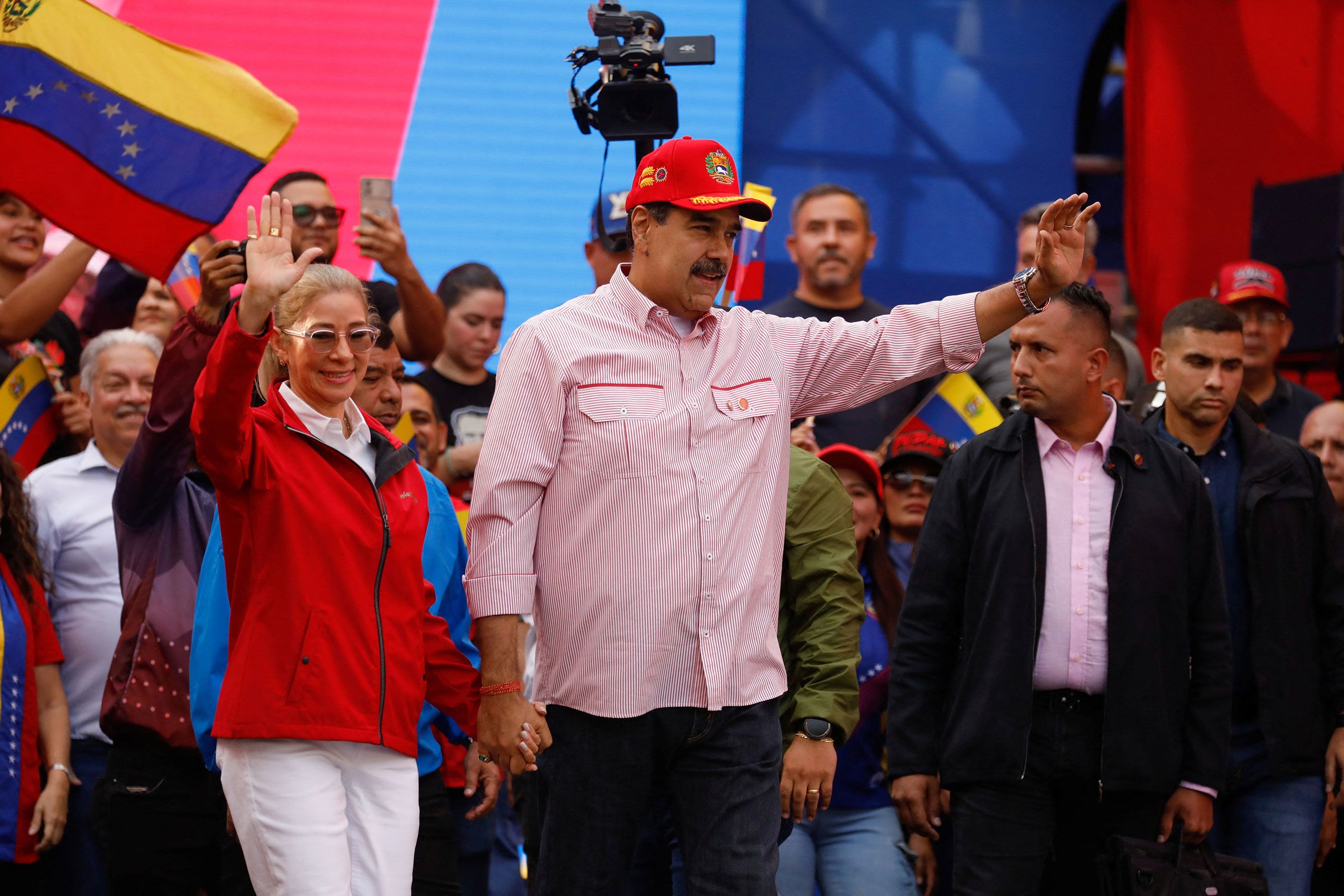
Some people, like Yanitza Albarrán, focus on maintaining a routine and peace. While participating in a march supporting Venezuelan President Nicolás Maduro on December 1, Albarrán told CNN that she was committed to freedom, peace and the Bolivarian revolution, which she says the president represents.
Source: Here
