
Sri Lanka is undergoing one of the most complex economic recoveries in its history. The country’s financial collapse in 2022 was precipitated by a toxic mix of unsustainable borrowing, poor fiscal management, and external shocks.
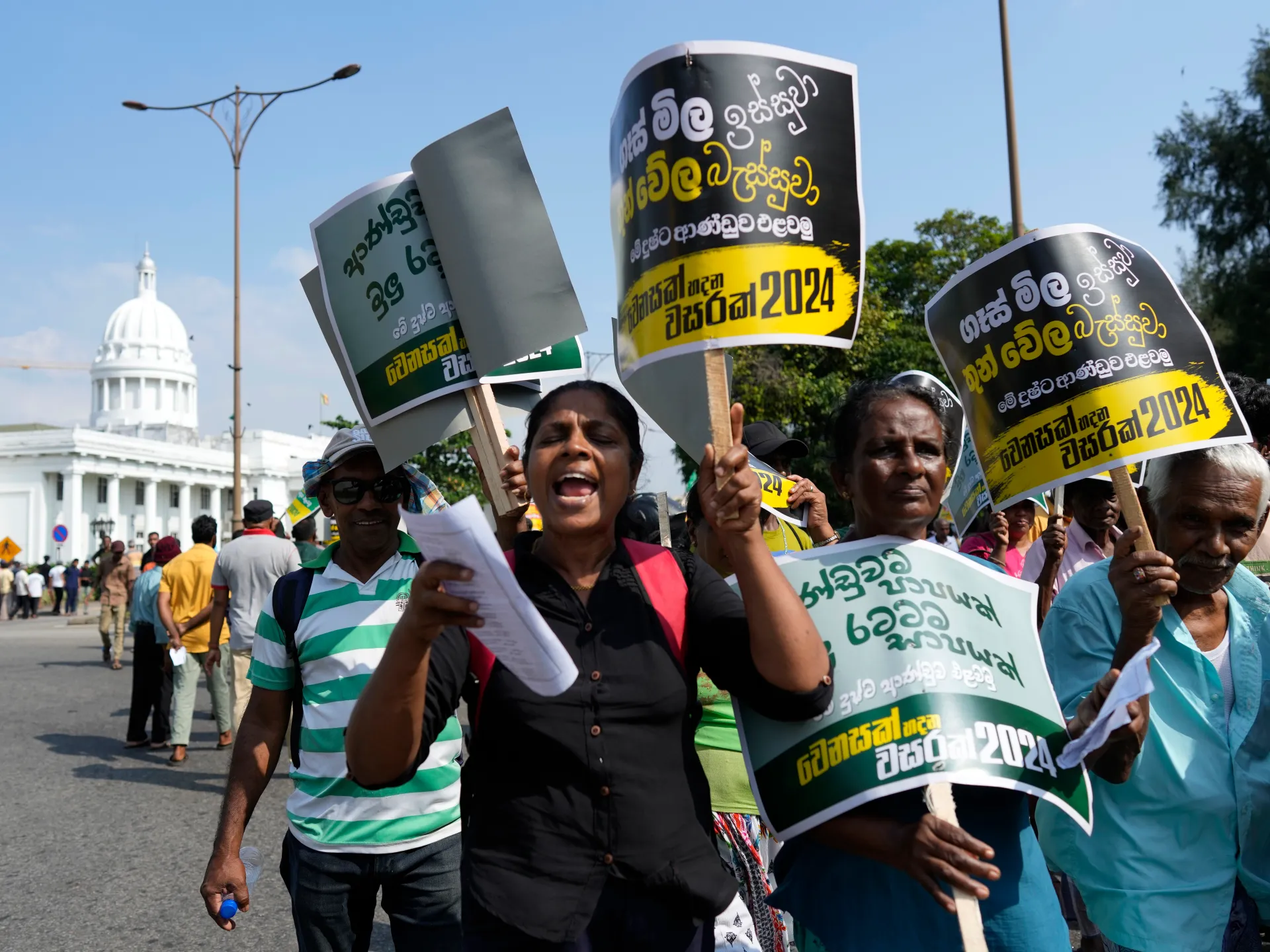
Mass protests erupted under the banner of Aragalaya, a broad-based citizens’ movement demanding accountability, economic justice, and an end to political corruption. Sri Lanka is undergoing one of the most complex economic recoveries in its history. The country’s financial collapse in 2022 was precipitated by a toxic mix of unsustainable borrowing, poor fiscal management, and external shocks.
Mass protests erupted under the banner of Aragalaya, a broad-based citizens’ movement demanding accountability, economic justice, and an end to political corruption. The punitive structural adjustment process includes privatising state-owned enterprises, disconnecting the Central Bank from state control, curtailing the state’s capacity to borrow, and subordinating national development aspirations to the interests of creditors. It has placed the burden of its Domestic Debt Optimisation on working people’s retirement savings, specifically the Employees Provident Fund (EPF), raising concerns among salaried workers whose current real incomes have already been cut by high inflation and higher taxes.
Public sector hiring has been frozen, major rural infrastructure projects in transport and irrigation have been delayed or cancelled, and funding for health and education has stagnated even as costs rise. The reforms undertaken to achieve macroeconomic stability, including interest rate hikes, tax adjustments, the removal of subsidies, increased energy pricing, and the erosion of workers’ pensions, have demanded a great deal from citizens.
The IMF program has also ushered in neoliberal legal reforms that erode the public accountability of the Central Bank, limit the government’s fiscal capabilities, and encourage the privatisation of land, water, and seeds through agribusiness. To meet IMF targets – most notably, the goal of achieving a 2.3 percent primary budget surplus by 2025 – the Sri Lankan government has introduced sweeping austerity measures. Where else will that surplus come from if not from the money pots of the poor? Bankers may welcome this austerity, but for those living and working in rural areas and coastal villages, it spells hardship and fear. The imbalances within the debt restructuring program prioritise investor profit over the public interest, shrinking the fiscal space needed to rebuild essential services.
Civil society groups estimate that 6.3 million people are now skipping meals, and at least 65,600 are experiencing severe food shortages.
In a noteworthy move, newly elected President Anura Dissanayake has instructed the treasury to reinstate subsidies for the agricultural and fishing sectors. While welcome, this may not be enough. Fishermen report that fuel costs remain steep, eating into their incomes.
Farmers, many locked into chemical input-intensive production, are struggling with rising costs, climate catastrophes, and reduced state support.
Sri Lanka’s 2025 public health allocation accounts for just 1.5 percent of its gross domestic product – five times smaller than the amount allocated to service the interest on public debt. This stark disparity highlights the fiscal constraints placed on basic social spending.
Source: Here
