
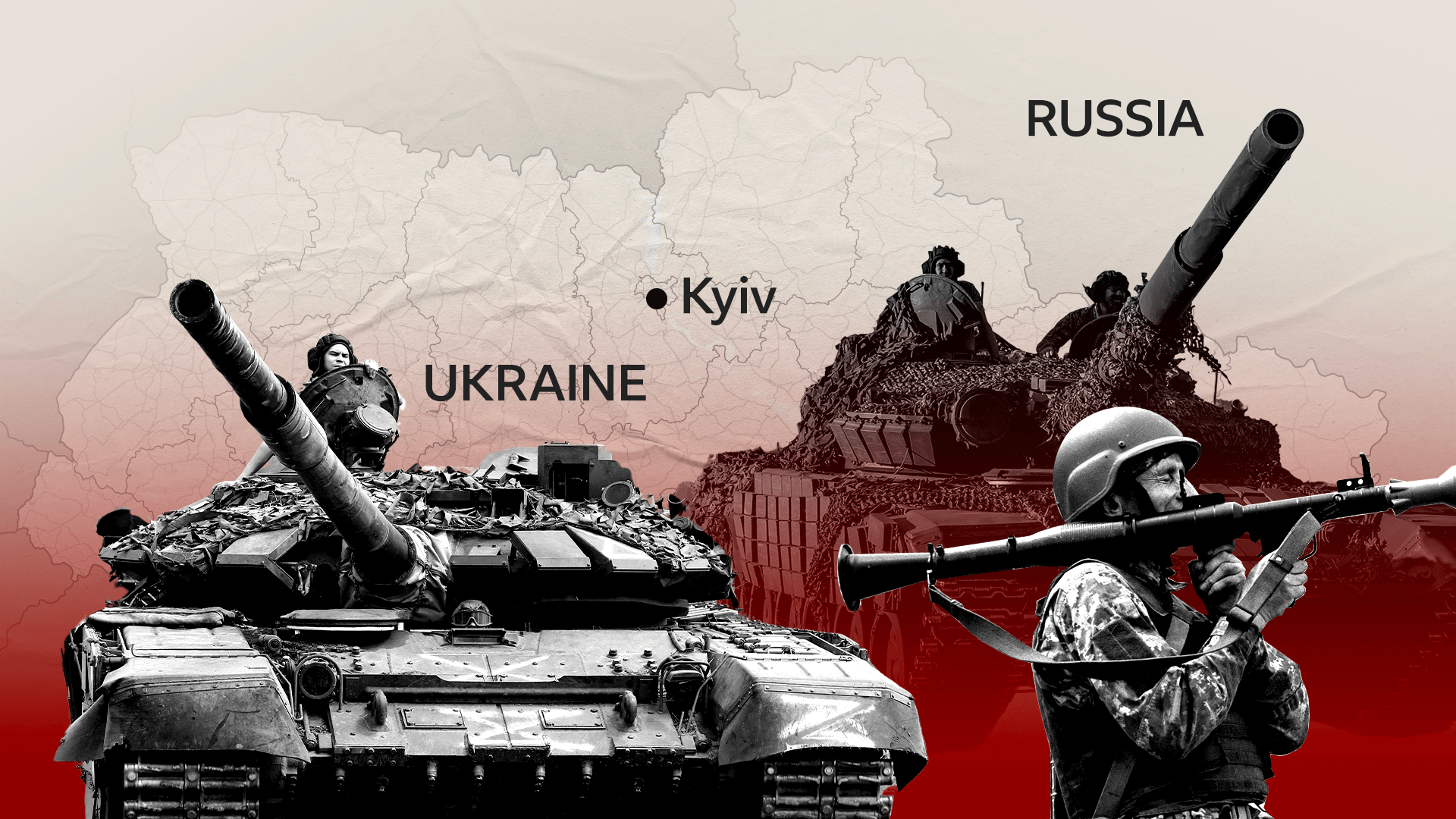
As Russian and Ukrainian delegations descended on Istanbul on Friday in an attempt to end the three-year war in Ukraine, the contrast between the two parties in the conflict couldn’t be starker. One seemed assured, methodical – clear about its goals. The other, scattered and uncertain.
Russia’s position on the contours of a potential settlement has long been clear – aside from its calculated ambiguity on territorial matters, which it maintains as leverage. Moscow continues to push for a return to the Istanbul agreements, derailed – as we now know – by the UK and US in the spring of 2022. At the same time, it demands to retain the territories it has occupied since then – and possibly more, though how much more remains deliberately undefined.
As Russian and Ukrainian delegations descended on Istanbul on Friday in an attempt to end the three-year war in Ukraine, the contrast between the two parties in the conflict couldn’t be starker. One seemed assured, methodical – clear about its goals. The other, scattered and uncertain.
Russia’s position on the contours of a potential settlement has long been clear – aside from its calculated ambiguity on territorial matters, which it maintains as leverage. Moscow continues to push for a return to the Istanbul agreements, derailed – as we now know – by the UK and US in the spring of 2022. At the same time, it demands to retain the territories it has occupied since then – and possibly more, though how much more remains deliberately undefined.
This strategy isn’t new – and it has already cost Ukraine dearly over the past three years: Vast territory and critical infrastructure have been lost, hundreds of thousands killed, and 6.9 million people, mostly women and children, have left the country – likely for good.
In response to what it sees as manipulation, Russia sent a delegation of lower-than-expected political stature, but including top-level military and diplomatic experts capable of discussing all technical aspects of a possible deal. The message: Moscow is ready for substantive negotiations – if they move beyond performative ultimatums. The only difference now is territory. Under the 2022 Istanbul framework, Russia would have withdrawn to the lines of contact as they existed before the full-scale invasion. Now, it claims the territory seized since then – and maintains strategic ambiguity over the parts of Donetsk, Luhansk, Kherson, and Zaporizhzhia still under Ukrainian control, using them as bargaining chips.
Since the full invasion began, Moscow has viewed territorial occupation as a form of punishment for what it sees as Ukraine’s intransigence. Russian Foreign Ministry spokeswoman Maria Zakharova put it bluntly on Thursday: “Ukrainian territory shrinks every time Ukraine rejects negotiations.”
But territory is not the Kremlin’s main objective in Ukraine. Its central goal is to draw a hard red line against further Western military expansion near its borders – hence its demands to restore Ukraine’s neutral status and reduce the size of its armed forces to a bare minimum. Moscow, however, is open to the idea of Ukraine joining the EU – not least because that prospect remains highly unlikely, as countries like Poland and others in Eastern Europe see Ukraine’s agricultural sector as a threat to their economic stability.
Source: Here
